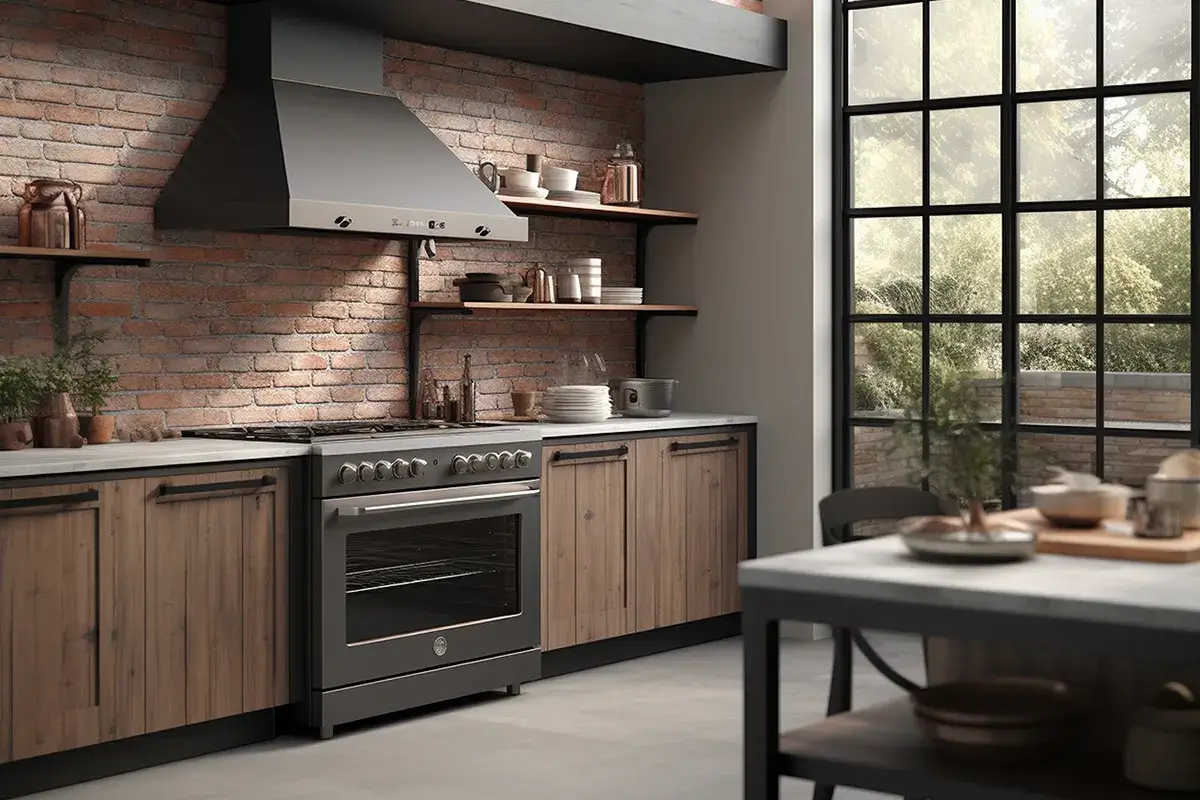
A kitchen remodel is one of the most rewarding investments homeowners can make—but it’s also one of the most complex. With so many decisions to make around layout, materials, and function, it’s easy to overlook some of the foundational elements that influence how well the space will work for years to come. At Diamond Hill Builders, we’ve seen firsthand how thoughtful kitchen layout planning can make or break a remodel. Avoiding common kitchen design mistakes is key to creating a space that’s not only beautiful, but functional and comfortable for everyday use.
Whether you’re reworking a tight galley kitchen or designing a more open-concept space, focusing on layout first helps ensure a smooth remodeling process and a finished product that meets your lifestyle needs. Here are some of the most common kitchen remodeling tips we share with clients looking to make the most of their investment.
Ignoring the Kitchen Work Triangle
The kitchen work triangle—the relationship between the sink, stove, and refrigerator—remains one of the most important principles in kitchen layout planning. These three points are the most used areas in any kitchen, and their placement affects the room’s overall flow and efficiency.
A well-designed triangle should minimize walking distance between these elements while keeping each one accessible without obstruction. When the triangle is too spread out, daily tasks become tiring. When it’s too cramped or interrupted by an island or cabinetry, the space feels tight and inefficient.
To get this right:
- Keep each leg of the triangle between 4 and 9 feet
- Avoid placing tall cabinetry or major obstructions within the triangle
- Be mindful of appliance doors that swing into the pathway
Many modern kitchens expand beyond the traditional triangle by including additional zones for baking, prep, or entertaining—but the core principle of efficient movement still applies.
Underestimating Storage and Counter Space Needs
One of the most common regrets we hear after a kitchen remodel is not adding more storage or counter space. It’s easy to get caught up in appliance upgrades and finishes, but smart layout choices start with thinking through how you’ll use every square foot.
Effective kitchen layout planning should prioritize:
- Ample prep space next to the stove and sink
- Clear landing zones near the refrigerator and oven
- Well-placed outlets to support countertop appliances
When it comes to storage, consider custom solutions that make the most of vertical space, corners, and deep drawers. Built-in organizers, pull-out trays, and pantry cabinets can dramatically improve function without changing the kitchen’s footprint. The goal is to avoid cluttered counters and make everyday items easy to reach.
By accounting for these needs early in the layout phase, you avoid costly modifications later—and gain a more enjoyable, efficient space from day one.
Poor Lighting and Appliance Placement
Lighting and appliance placement are often afterthoughts during kitchen remodels, but both play a major role in functionality and comfort. A beautiful kitchen quickly loses appeal if work areas are poorly lit or appliances are awkwardly located.
For effective kitchen lighting:
- Include a mix of task, ambient, and accent lighting
- Install under-cabinet lighting to illuminate countertops
- Use recessed or pendant lighting to brighten work zones and islands
Appliance placement should feel intuitive. For example, you don’t want your dishwasher blocking the path to a drawer, or your refrigerator located too far from prep areas. Take time to plan appliance locations so they support your daily cooking habits and don’t create bottlenecks.
Not Planning for Traffic Flow and Seating
In many homes, the kitchen is more than a workspace—it’s a gathering space. Failing to plan for traffic flow and seating can make the area feel crowded or disjointed. If your kitchen opens into a dining room or living space, you’ll need to account for how people will move through the area.
To ensure smooth flow and comfortable seating, consider:
- Keeping walkways at least 36 inches wide (42–48 inches near islands)
- Allowing space behind seating for chairs to slide back easily
- Using island overhangs for casual seating without disrupting the work triangle
Carefully balancing workspace and gathering space allows your kitchen to serve multiple functions without feeling cramped.
Fixing Layout Challenges with Professional Design
Even the most determined DIYer can hit roadblocks when it comes to kitchen layout planning. Older homes often have structural quirks, and what seems like a simple change can quickly escalate without professional guidance. Working with experienced designers and builders can help you anticipate challenges, avoid costly missteps, and achieve a layout that works beautifully in your space.
A professional design-build team helps by:
- Identifying load-bearing walls and rerouting utilities if needed
- Suggesting layout adjustments that improve function
- Recommending materials and features that align with your goals and budget
Ultimately, a well-executed layout is the foundation of a successful kitchen remodel. Getting the structure and flow right makes every other detail—from finishes to fixtures—fall into place more easily.
Design a Kitchen That Works With Your Life
Kitchen remodeling should improve not just the look of your home, but how it supports your daily life. By avoiding common layout mistakes and planning carefully from the start, you can create a space that’s efficient, comfortable, and tailored to the way you live. Whether you’re reworking a few key elements or starting from scratch, smart design choices make all the difference in the final result.
If you’re ready to explore layout options for your remodel, we’re here to help guide you through every phase. Contact us to get started.